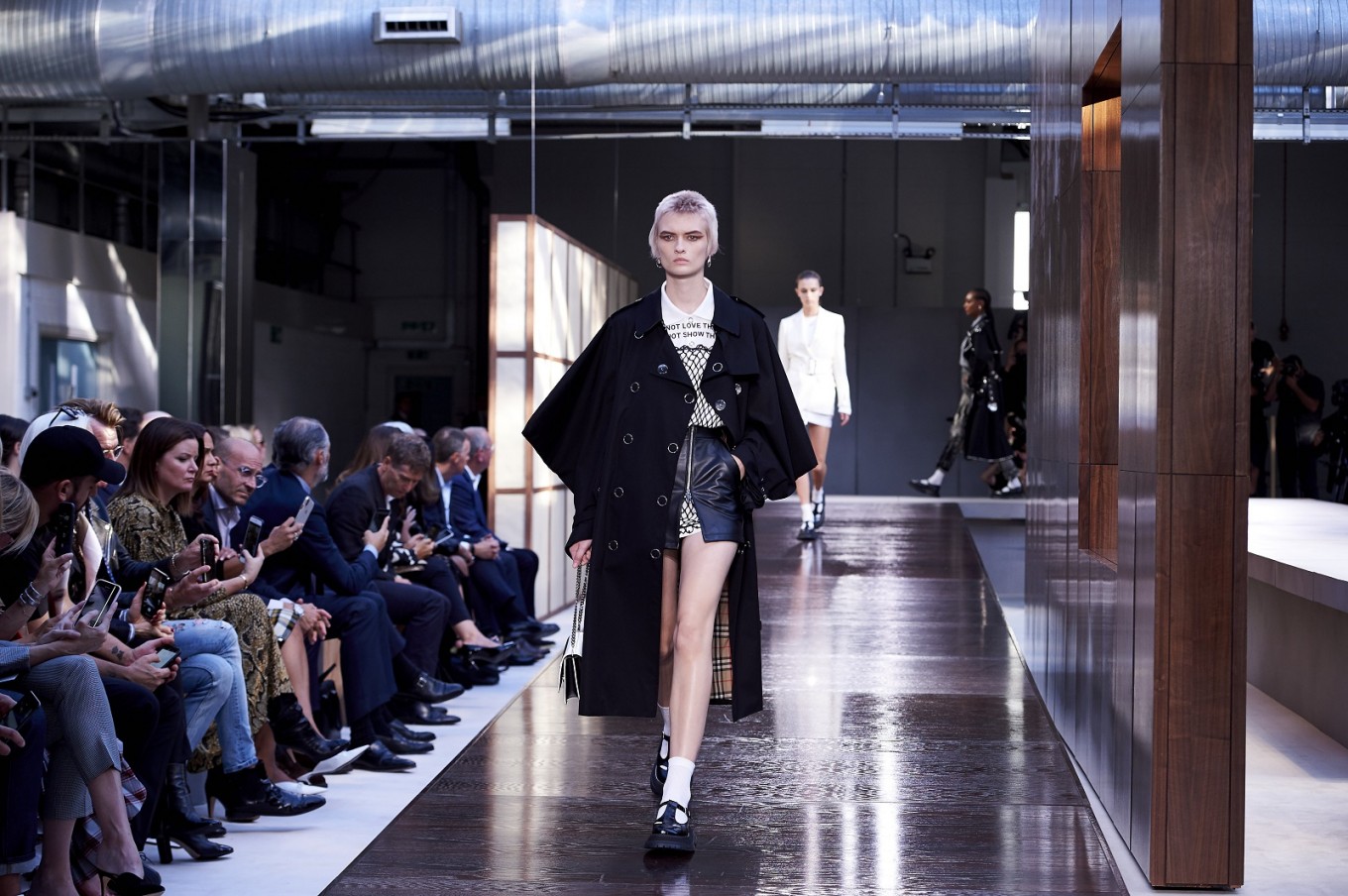
In today’s fast-paced digital world, the fashion industry is undergoing a significant transformation, driven by technological advancements and innovative approaches to reach global audiences. One of the most intriguing developments in this field is the concept of a virtual runway. But what exactly is a virtual runway, and how does it reshape the traditional fashion landscape?
The Evolution of Fashion Showcases
Traditionally, fashion shows were exclusive gatherings hosted in glamorous venues and attended by a privileged circle of industry insiders, celebrities, and buyers. In recent years, though, the scene has shifted with the rise of virtual runways. These digital spaces enable designers to showcase their collections to a global audience without the logistical or geographic limitations of in-person events. At their core, virtual runways harness technology to deliver an engaging, interactive setting that closely reflects a real-life fashion show.
How Virtual Runways Work
Virtual runways use a combination of digital media, augmented reality (AR), and virtual reality (VR) technologies to present fashion collections. Through livestreaming, 3D modeling, and immersive experiences, audiences can view intricate garment details as if they were attending in person. Fashion brands employ high-quality video production to simulate the atmosphere of a live show, complete with lights, music, and models strutting the digital runway. This integration of technology offers far more than a traditional slideshow, allowing viewers to experience the garments in a dynamic and engaging manner.
Advantages Offered by Virtual Runways
There are many benefits to embracing virtual runways. First, accessibility is significantly improved, allowing anyone with an internet connection to enjoy fashion shows from home, which broadens participation and fosters greater inclusivity. Second, virtual runways prove to be cost-effective for designers, as avoiding high venue fees and complex logistics lets them invest more in creative and innovative work. Moreover, virtual runways offer clear sustainability benefits by lowering the carbon emissions tied to travel and minimizing the waste typically produced at in-person events.
Case Studies and Real-World Examples
Many leading fashion houses have turned to virtual catwalks. For instance, in 2020, amid the global pandemic, Paris Fashion Week shifted to a fully digital format, offering virtual showcases instead of in-person shows. Labels such as Balenciaga and Dior unveiled their collections online, engaging viewers far beyond the limits of a traditional venue. These digital events demonstrated the fashion industry’s remarkable flexibility and capacity to adapt through the use of online platforms.
Another striking instance is the collaboration between Louis Vuitton and the esports platform League of Legends. By designing virtual outfits for characters within the game, Louis Vuitton broadened its influence, merging high fashion with gaming culture. This distinctive strategy not only attracted fresh audiences but also highlighted the limitless potential of virtual fashion.
Key Challenges and Essential Considerations
Although these benefits are significant, virtual runways also present notable hurdles. The fashion world relies on tactile interaction, and many contend that the chance to handle garments disappears in a digital environment. Delivering high‑fidelity visual renderings becomes essential to express texture and craftsmanship. In addition, certain luxury labels fear a weakening of exclusivity when virtual showcases open access to everyone. Even so, such obstacles spur creative progress, motivating designers to devise increasingly captivating virtual presentations.
The Evolution of Virtual Runways Ahead
With rapid technological progress, virtual runways are set to become a lasting feature of the fashion industry, and as augmented and virtual reality continue advancing, they offer increasingly immersive possibilities that could let audiences experiment with clothing in digital form; far from being a short-term fix, virtual runways function as a complementary arena capable of existing in harmony with traditional fashion shows.
Reflecting on this blend of fashion and technology, it becomes clear that virtual runways symbolize a wider movement embracing digital‑first approaches, as the fashion landscape grows increasingly linked with technology, collaboration, and global connection, reshaping the way style and creativity are experienced.