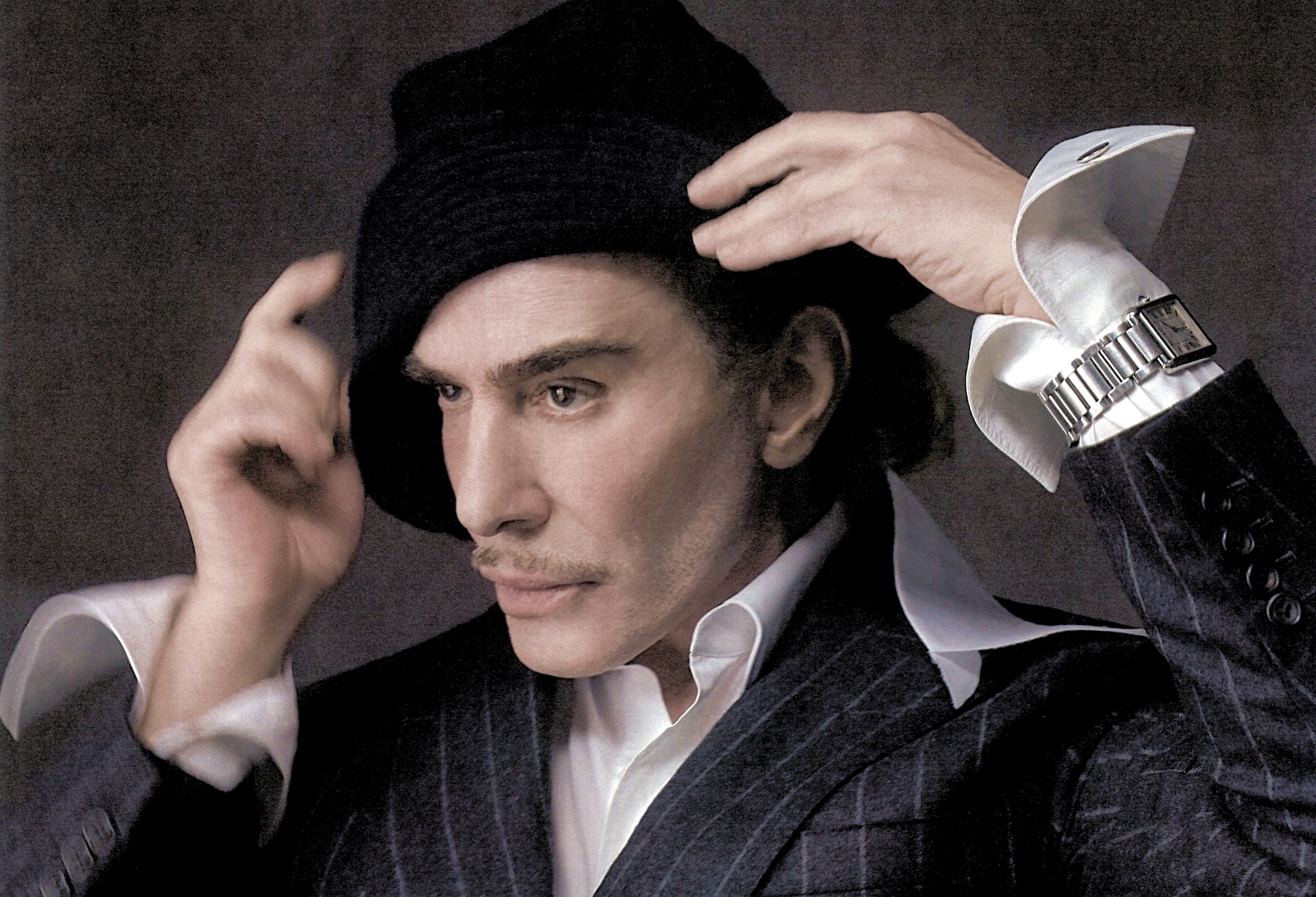
John Galliano has long held a distinctive position in the fashion realm, celebrated for a design philosophy that fuses imagination with material craft. His work, positioned at the crossroads of historical homage and bold experimentation, forms a rich blend of storytelling, technical finesse, and visual spectacle. Grasping what sets Galliano’s vision apart means exploring the key forces that mold his aesthetic: echoes of the past, narrative-centered collections, refined craftsmanship, theatrical flair, and an enduring drive to push creative boundaries.
Historical Allusions as a Design Foundation
Central to John Galliano’s style is an encyclopedic fascination with history. Few designers wield historical reference with such depth and irreverence; instead of mere reproduction, Galliano reinterprets the past through a lens of fantasy. Collections such as his legendary Spring/Summer 1994 runway, “Les Incroyables,” drew directly from the revolutionary dress of French aristocrats after the Revolution, employing extravagantly cut frock coats, dusty pastel hues, and meticulous distressing to evoke both romantic nostalgia and eccentricity. This use of history is never literal; Galliano bends and layers timelines, often merging eras—Edwardian silhouettes spliced with 1980s glam, or 18th-century corsets reimagined for futuristic heroines. This unique temporal dislocation allows his garments to feel both familiar and startlingly new, inviting the wearer and viewer to experience a dialogue between past and present.
Clothing as Storytelling: Narratives on the Runway
Galliano perhaps more than any other contemporary designer approaches each collection as a vivid narrative in motion, allowing every runway presentation to unfold like a story in which models embody an array of personas ranging from refined maidens to roaming sailors, uncanny drifters, and figures drawn from the designer’s own memories and imagination. These narrative threads do not remain confined to mood boards; they animate the garments themselves. In the Fall/Winter 2000 collection for Christian Dior, for example, an imagined journey undertaken by an aristocratic adventuress across Asia and Russia became the guiding plot, expressed through embroidered military jackets, sumptuous brocade, intricate fur accents, and veiled hats that functioned as visual chapters. This storytelling drive imbues Galliano’s creations with emotional depth and an immersive allure that go beyond pure aesthetics, inviting viewers into a realm where fashion becomes an act of myth-making as much as material craft.
Engineering Excellence and Innovative Building Techniques
Galliano’s creations exhibit a degree of technical mastery that few designers can match, shaped by his training at Central Saint Martins, where he refined an exceptional command of cut and construction that allows even his boldest silhouettes to retain structure and ease of wear. His signature bias-cut gowns, made iconic through both his namesake line and his tenure at Dior, are admired for the way they cling and flow, capturing the transformative sensuality reminiscent of 1930s Hollywood elegance. Still, his vision extends far beyond reinterpretation; Galliano consistently explores unconventional draping, intricate fabric treatments like wet-look silks, singed edges, and altered textures showcased in several 1990s collections, as well as provocative shifts in proportion. This persistent pursuit of technical sophistication gives each design a sense of vitality and depth, rewarding close study with subtle seams, inventive closures, and surprising fabric contrasts.
Theatricality and the Art of Presentation
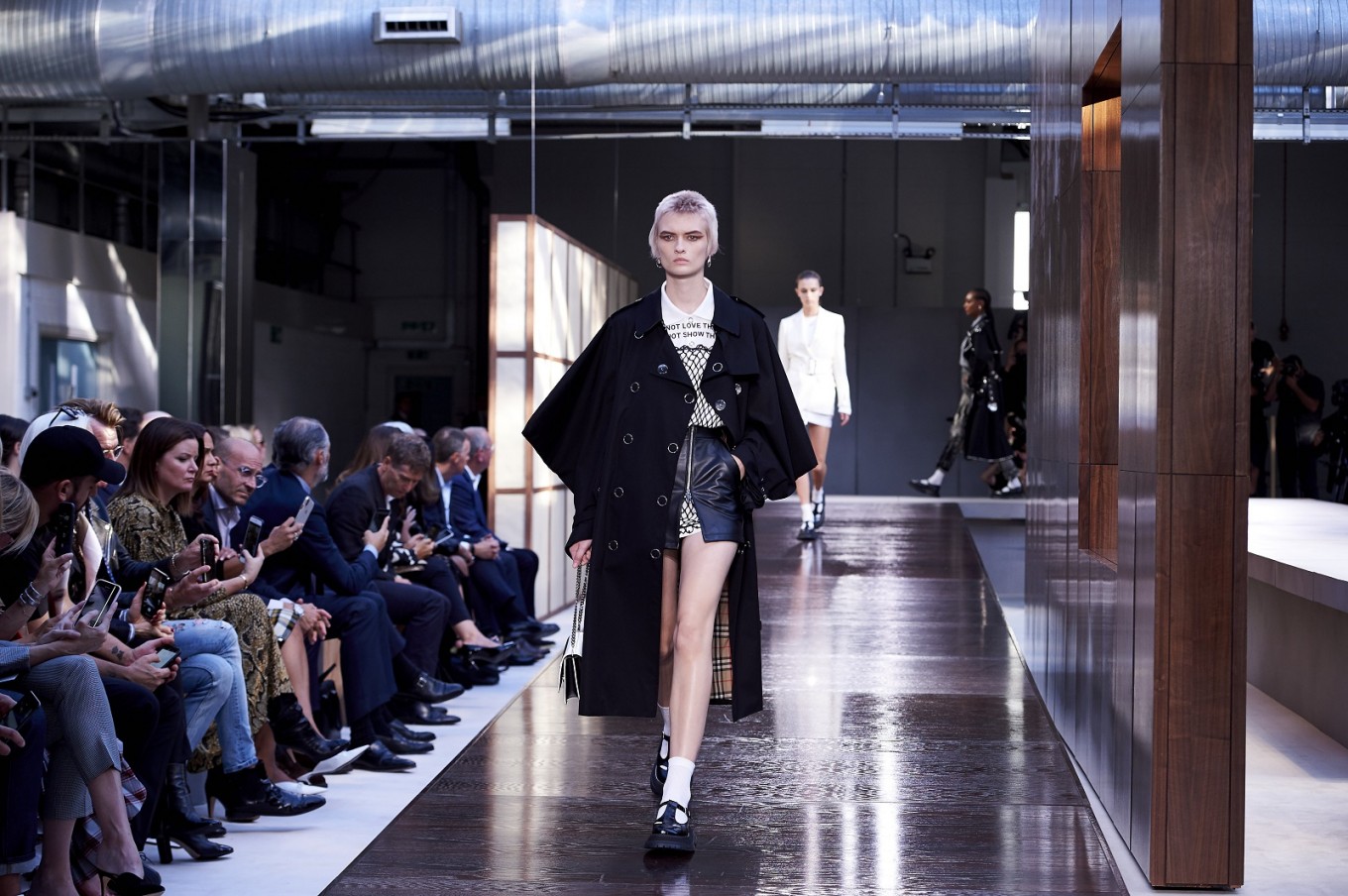
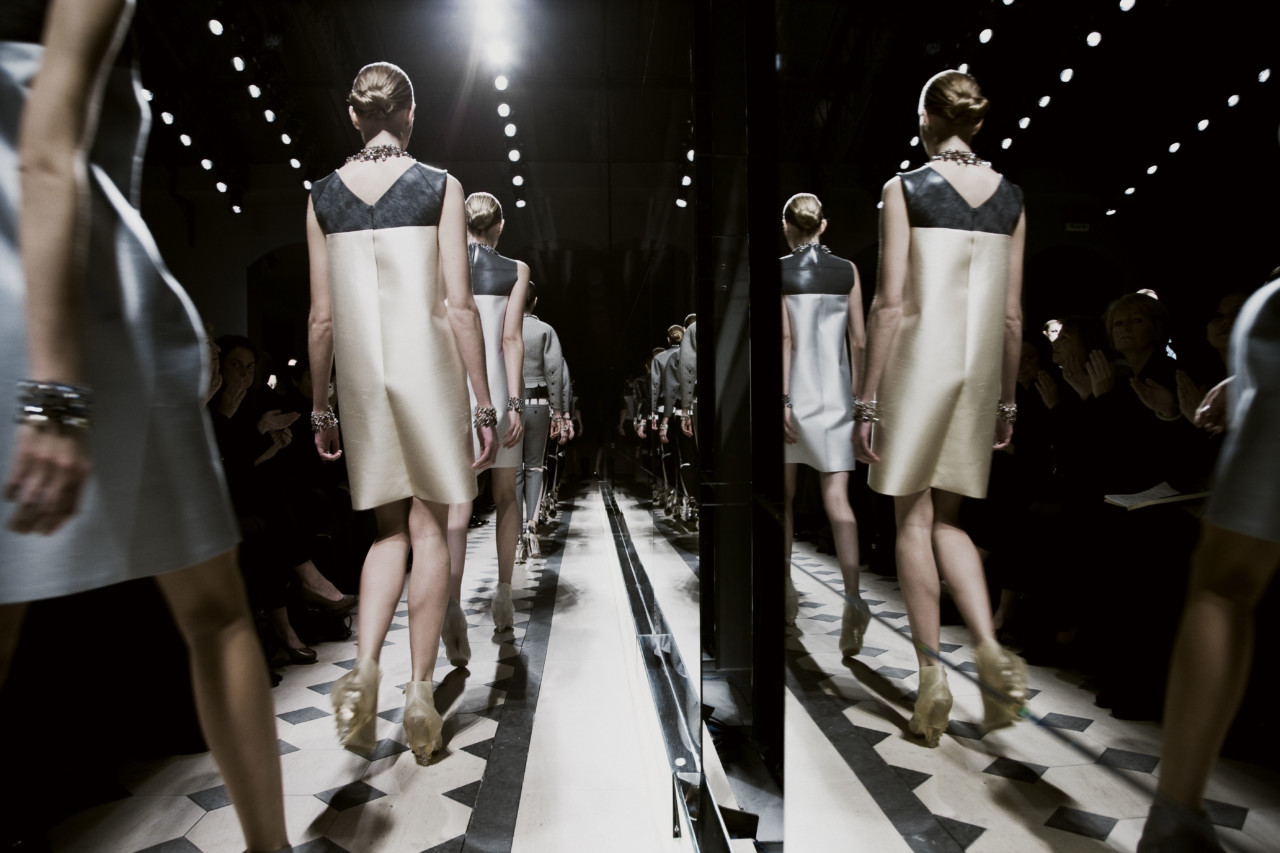
Integral to Galliano’s signature is the choreographed spectacle of his runway presentations. Unlike many of his contemporaries, for whom the catwalk is a simple vessel, Galliano transforms every show into a performative event. Venue choice becomes part of the message, with past shows staged in the Paris Opera, crumbling ballrooms, and mythic gardens. The models embody not just clothing but characters—with distinct personas, makeup that verges on performance art, and movement that tells stories. Makeup artist Pat McGrath’s exaggerated features, fraying wigs, and theatrical lighting have all contributed to Galliano’s fashion as theater. This immersive approach lingers in the memory, as in the Dior Spring/Summer 2004 “Egyptomania” show, where the entire environment was transformed into a pharaonic fantasy, and the audience transported through a total experience encompassing sound, scent, and spectacle.
Bold Transformation and Collaborative Cross-Disciplinary Synergy
Never content to rest upon recognizable motifs, Galliano’s career is marked by daring acts of reinvention. He continues to disrupt traditional boundaries—not only between history and modernity but also between disciplines. His work for Maison Margiela, for example, blurs the lines between fashion, performance, and conceptual art, employing deconstruction and the anonymity of models in stark white masks. Collaboration with artists, set designers, and musicians further expands the narrative capacities of his shows and garments. His collaborative work for editorial spreads, such as with Steven Meisel for Vogue Italia, demonstrates his ability to infuse narrative and opulence into static imagery, translating runway drama onto the page.
How Clothing Shapes Identity, Sparks Provocation, and Evokes Emotion
Galliano’s designs provoke strong emotional responses by challenging notions of gender, identity, and societal norms. He often plays with androgyny, employing both traditionally “masculine” and “feminine” elements in ways that destabilize binary perspectives. The use of makeup, corsetry, and gender-fluid styling well predated wider movements in high fashion, marking his work as both prescient and influential. By challenging expectations—sometimes playfully, sometimes confrontationally—Galliano’s style generates conversations about self-presentation, theatricality, and personal narrative.
A Lasting Influence Rooted in Imagination
Galliano’s unique style emerges from the convergence of history, narrative, technical prowess, and immersive dramatization. His collections challenge the conventions of fashion by welding romanticism to experimentation, ensuring garments function as vessels for stories as much as statements of luxury. The qualities that distinguish his work—meticulous craft, theatrical storytelling, and intellectual play—have inspired subsequent generations of designers, encouraging a culture of fearlessness and narrative depth. His legacy shows that fashion’s most resonant moments often occur at the intersection of imagination and craft, where each piece worn becomes not just an object, but an experience to inhabit.