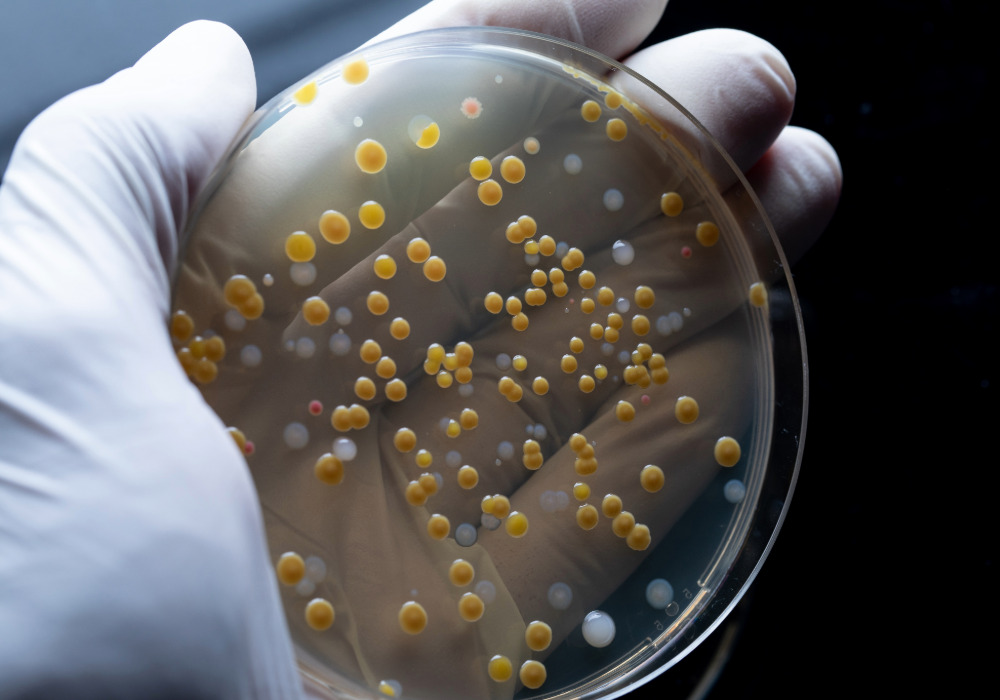
US researchers have developed a nasal spray vaccine that could potentially protect against a wide range of respiratory infections, including coughs, colds, flu, and certain bacterial illnesses, while also reducing allergic reactions. Early animal studies suggest it primes the immune system in a novel way, though human trials are still required.
Scientists at Stanford University are evaluating what they describe as a universal vaccine, a development that marks a notable departure from standard vaccination methods. Instead of focusing on a single pathogen as conventional vaccines do, this approach activates a broad immune alert within the lungs, priming white blood cells—specifically macrophages—to react swiftly to numerous potential infections. Early findings in animal studies suggest the protection may persist for roughly three months, sharply reducing how easily viruses can penetrate the body.
A new approach to immunity
Traditional vaccines, including those for measles or chickenpox, guide the immune system to identify and combat a single targeted illness, a strategy that has changed little since Edward Jenner introduced vaccination in the late 18th century, whereas the Stanford team employs a markedly different method that emulates the internal communication of immune cells to foster an elevated state of preparedness across the lungs rather than training the body to spot individual pathogens.
Prof. Bali Pulendran, a microbiology and immunology expert at Stanford, explained that the vaccine leaves immune cells on “amber alert,” ready to act instantly against invading viruses and bacteria. The experimental vaccine demonstrated protection not only against multiple viral strains, including flu, Covid, and common cold viruses, but also against bacterial species such as Staphylococcus aureus and Acinetobacter baumannii. This broad-spectrum activity could represent a major advancement in the fight against respiratory illnesses.
Early results and potential benefits
In animal trials, the universal vaccine reduced viral entry into the lungs by factors ranging from 100 to 1,000, and any viruses that did penetrate the lungs were swiftly addressed by the primed immune system. Beyond infectious disease, the vaccine appeared to lessen reactions to common allergens, including house dust mites, which are a major trigger for asthma and other allergic conditions.
Prof. Daniela Ferreira, a vaccinology expert at the University of Oxford who was not part of the research team, described the findings as “truly exciting,” observing that they may reshape the way individuals are safeguarded against respiratory infections. She stressed that the study effectively reveals the mechanisms driving this innovative strategy and may represent a significant advance in preventative medicine.
Obstacles preceding human implementation
Despite promising results in animals, several uncertainties remain. The vaccine was administered via nasal spray in animal studies, but human lungs differ in size and complexity, which may require delivery through a nebulizer to reach deeper lung tissue. Furthermore, human immune systems are shaped by decades of prior infections, making it unclear whether the same protective effect will occur in people.
Researchers intend to carry out controlled human trials, including challenge studies in which vaccinated volunteers are deliberately exposed to pathogens to track their immune responses, while scientists remain mindful of possible side effects, since maintaining the immune system in an extended state of alert could trigger unexpected inflammatory or autoimmune issues. Jonathan Ball, a virologist at the Liverpool School of Tropical Medicine, emphasized the need to watch for “friendly fire,” a scenario in which an excessively vigorous immune reaction might cause damage.
The Stanford team imagines this universal vaccine functioning alongside current vaccines instead of taking their place, potentially providing an early protective buffer at the onset of pandemics and allowing vital time for the creation of pathogen‑specific options. It might also be administered seasonally, delivering wide‑ranging defense against the many viruses that tend to spread during the winter months.
Broader implications for public health
If validated as safe and effective in humans, a universal nasal vaccine could transform public health planning by delivering swift, wide-ranging protection and potentially decreasing the global burden of respiratory illness. By creating an immediate layer of immune readiness, this type of vaccine could reduce mortality, lessen disease severity, and strengthen overall community resilience against both seasonal and newly emerging pathogens.
Pulendran emphasized that, beyond addressing pandemics, the vaccine might be deployed as a yearly measure to reinforce defenses against numerous circulating respiratory pathogens, and this strategy could work alongside traditional vaccines by strengthening protection in areas where pathogen‑specific immunity is weak or develops slowly.
The study also brings forward significant questions regarding how the immune system is regulated, the timing of doses, and the potential long-term outcomes. Continuing investigations will aim to refine delivery approaches, establish how long immune preparedness lasts, and ensure that this elevated state of immune vigilance does not unintentionally cause harmful side effects.
Next steps for research
Human clinical trials play a crucial role in confirming the universal vaccine’s safety and effectiveness, as researchers seek to determine if the encouraging outcomes seen in animal studies can also be achieved in humans while optimizing dosage and administration strategies for the best possible results.
Experts remain cautiously optimistic. While there is excitement about the potential to dramatically improve respiratory disease prevention, careful monitoring and phased clinical trials will be crucial to ensure safety. The lessons learned could also inform the design of future vaccines for a wide variety of infectious and allergic diseases.
The Stanford universal nasal vaccine represents a groundbreaking step in immunology. By priming the immune system for rapid, broad-spectrum response, it holds the potential to protect against multiple viruses, bacteria, and allergens. While human trials are still forthcoming, the research highlights a new frontier in vaccine development that could transform public health practices and enhance protection against respiratory illnesses worldwide.